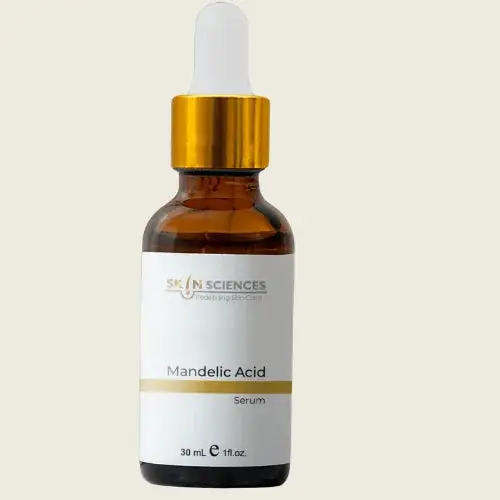
Healthy, glowing skin often starts with the right skincare habits, but even the best products can fall short when they are not used correctly. Common Mistakes to Avoid When Using Mandelic Acid Serum is an important topic for anyone looking to improve skin texture, reduce blemishes, or achieve a brighter complexion. A quality Mandelic acid serum can gently exfoliate the skin and support a smoother appearance, and Skin Sciences offers formulations designed to fit into a balanced skincare routine with ease.
Why Mandelic Acid Has Become a Skincare Favorite
Mandelic acid is an alpha hydroxy acid (AHA) derived from bitter almonds. Unlike stronger exfoliating acids, it has a larger molecular size, allowing it to penetrate the skin more slowly. This makes it a suitable option for many people, including those with sensitive or acne-prone skin.
Some of its key benefits include:
- Encourages gentle chemical exfoliation
- Improves uneven skin tone
- Helps reduce the appearance of dark spots
- Supports smoother skin texture
- Minimizes the look of clogged pores
- Promotes healthy skin renewal
Although it is considered a gentle exfoliant, incorrect application can still lead to irritation or disappointing results.
1: Using It Too Frequently
One of the most common errors is applying mandelic acid every day from the beginning.
Many people believe that frequent exfoliation will deliver faster improvements. In reality, excessive use may weaken the skin barrier and cause:
- Dryness
- Redness
- Tightness
- Increased sensitivity
Instead, begin with two or three applications per week. As your skin becomes accustomed to the ingredient, you can gradually increase the frequency if needed.
2: Skipping a Patch Test
Every skin type reacts differently to active ingredients.
Even though mandelic acid is known for being milder than many other AHAs, a patch test is still recommended before using it on your entire face.
Apply a small amount behind the ear or along the jawline and wait 24 hours to check for any irritation before introducing it into your skincare routine.
3: Applying It on Damp Skin
Freshly washed skin should be gently dried before applying the serum.
Applying exfoliating acids to damp skin may increase absorption, making the product feel stronger than intended. This can lead to unnecessary irritation, especially for beginners.
Allow your face to dry completely before applying the serum evenly across the skin.
4: Using Too Much Product
More serum does not produce better results.
A few drops are usually sufficient to cover the entire face.
Using excessive amounts may increase sensitivity without improving effectiveness. Consistent application over time is much more beneficial than using large quantities.
5: Forgetting Moisturizer
Chemical exfoliation can temporarily reduce moisture levels in the skin.
Following your serum with a nourishing moisturizer helps:
- Support the skin barrier
- Reduce moisture loss
- Improve skin comfort
- Maintain balanced hydration
Ingredients such as ceramides and hyaluronic acid work particularly well after exfoliating treatments.
6: Ignoring Daily Sun Protection
One of the biggest skincare mistakes is using exfoliating acids without sunscreen.
Freshly exfoliated skin becomes more vulnerable to UV exposure, increasing the risk of pigmentation and sun damage.
A broad-spectrum SPF should become part of your daily morning routine, even when staying indoors or during cloudy weather.
Daily sun protection also helps preserve the improvements achieved through exfoliation.
7: Combining Too Many Active Ingredients
Layering several active ingredients together can overwhelm the skin.
Avoid using mandelic acid alongside multiple strong exfoliants in the same routine unless recommended by a skincare professional.
Examples include:
- Glycolic acid
- High-strength salicylic acid
- Retinol
- Strong peeling solutions
Instead, alternate these ingredients on different evenings to minimize irritation while maintaining their benefits.
8: Expecting Overnight Results
Healthy skin changes require patience.
Mandelic acid supports gradual skin renewal rather than immediate transformation.
Visible improvements often develop over several weeks of consistent use, depending on factors such as:
- Skin condition
- Product strength
- Application frequency
- Overall skincare routine
Consistency almost always produces better outcomes than aggressive treatment.
9: Using It on Broken or Irritated Skin
Avoid applying exfoliating acids over:
- Open wounds
- Cuts
- Active skin irritation
- Sunburn
- Severely compromised skin
Allow the skin to recover before restarting your exfoliating routine.
Applying acids to damaged skin can increase discomfort and delay healing.
10: Not Following the Correct Application Order
The order of your skincare routine influences how well products perform.
A simple evening routine looks like this:
- Gentle cleanser
- Mandelic acid serum
- Hydrating moisturizer
- Facial oil (optional)
During the day:
- Gentle cleanser
- Moisturizer
- Broad-spectrum sunscreen
Maintaining this order allows each product to perform effectively.
Ingredients That Pair Well with Mandelic Acid
Certain ingredients complement mandelic acid and help create a balanced skincare routine.
Hyaluronic Acid
Provides hydration while reducing dryness after exfoliation.
Niacinamide
Supports the skin barrier and helps improve uneven skin tone.
Ceramides
Strengthen the skin’s protective barrier and lock in moisture.
Peptides
Help support smoother and healthier-looking skin.
These combinations can improve comfort while maximizing long-term skincare results.
Who Can Benefit from Mandelic Acid?
Because of its gentle exfoliating properties, mandelic acid is suitable for many skin concerns.
It may be beneficial for:
- Acne-prone skin
- Oily skin
- Combination skin
- Sensitive skin
- Uneven skin tone
- Mild pigmentation
- Post-acne marks
- Rough skin texture
However, every skin type is different, and introducing active ingredients gradually remains the safest approach.
Building a Simple Mandelic Acid Routine
A straightforward skincare routine often delivers the best long-term results.
Evening
- Cleanse the skin
- Apply mandelic acid serum
- Follow with moisturizer
Morning
- Wash your face gently
- Apply moisturizer
- Finish with broad-spectrum sunscreen
Using products consistently without overloading the skin allows gradual improvement while maintaining skin comfort.
Choosing a Quality Formula
Not every exfoliating serum is formulated the same way.
When selecting a product, consider:
- Stable ingredients
- Balanced formulation
- Suitable concentration
- Hydrating support ingredients
- Fragrance-free options if you have sensitive skin
Skin Sciences focuses on skincare formulations that fit easily into everyday routines while supporting healthier-looking skin with thoughtful ingredient combinations.
Summary
Using exfoliating acids correctly is just as important as choosing the right product. Understanding Common Mistakes to Avoid When Using Mandelic Acid Serum helps prevent irritation, protects the skin barrier, and encourages better long-term results. Whether your goal is improving skin texture, minimizing post-acne marks, or achieving a brighter complexion, consistency, patience, hydration, and daily sun protection are essential. With a well-formulated mandelic acid serum and a balanced routine from Skin Sciences, you can support healthier, smoother, and more radiant-looking skin over time.
Frequently Asked Questions
Can beginners use mandelic acid?
Yes. Its larger molecular structure makes it one of the gentler alpha hydroxy acids, making it suitable for many beginners when introduced gradually.
How often should I use mandelic acid?
Most people benefit from starting two or three times per week and increasing usage only if their skin tolerates it well.
Should I use moisturizer after using mandelic acid?
Yes. Moisturizer helps maintain hydration, supports the skin barrier, and minimizes dryness after exfoliation.
Can I use vitamin C and mandelic acid together?
Many people prefer using vitamin C in the morning and mandelic acid in the evening to reduce the chance of irritation.
Is sunscreen necessary while using mandelic acid?
Absolutely. Daily broad-spectrum sunscreen helps protect newly exfoliated skin from UV damage and reduces the risk of pigmentation.
How long does it take to see results?
Many users begin noticing smoother texture and brighter-looking skin within several weeks of consistent use, although results vary depending on individual skin concerns and routine.